

Compare two cars
Compare any two cars and get our Virtual Adviser™ opinion
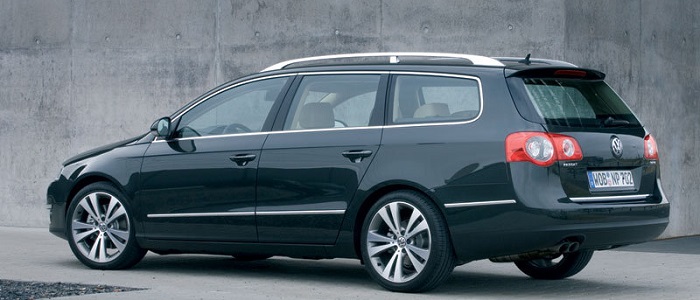
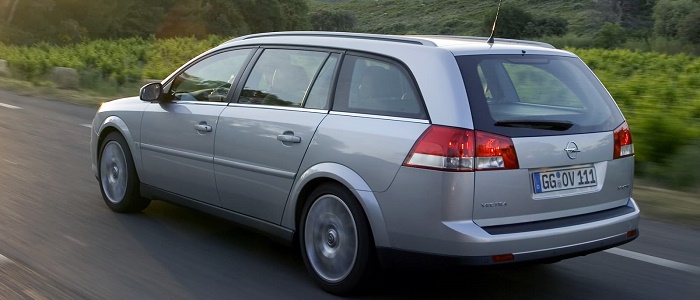

Dimensons & Outlines

Check vehicle history
Engine
Performance (manual gearbox)
Performance (automatic gearbox)
Expenses
Virtual Adviser's™ opinion
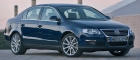
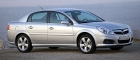
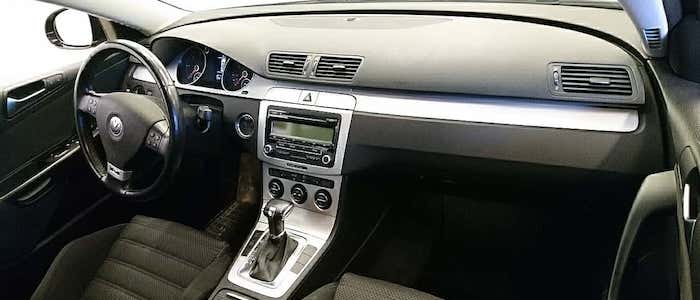
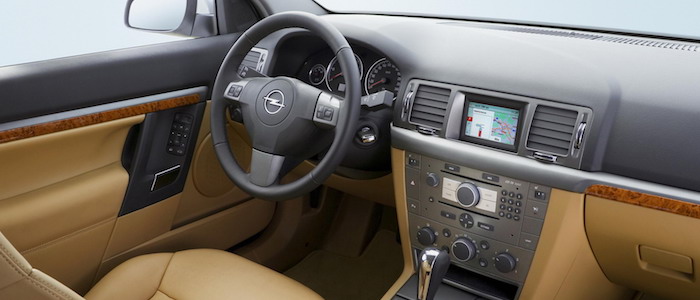
Two significantly similar cars, no doubt about that. Still, each one has something different to offer. Having both cars powered by diesel engines and utilizing the 5-door wagon body style within the same 'Large family car' segment, the only major difference here really is their wheel drive configuration (4 x 4 for the Volkswagen and front in the case of the Opel). The first one has a Volkswagen-engineered powertrain under the hood, a 4-cylinder, 16-valves 140hp unit, while the other one gets its power and torque from a 4-cylinder, 16-valves 150hp engine designed by FIAT.
SafetyThe first thing to look into here would be the results from European New Car Assessment Programme (Euro NCAP) tests performed on the two cars. Good thing is that both vehicles got tested, with the Volkswagen being a slightly better choice apparently. Moving further on, let's take a closer look at some additional safety-related facts. Both vehicles belong to the large family car segment, which is generally a good thing safety-wise, still it doesn't help us solve our dilemma, does it? Furthermore, taking kerb weight as an important factor into account, Passat offers a marginal difference of 4% more metal.
ReliabilityI don't like generalizing things when it comes to reliability, although it does seem that both brands display similar results in faults and breakdowns, when all the models are taken into account. That's the official data, while our visitors describe reliability of Volkswagen, as well as Opel, with the same average rating of 4.2 out of 5. Independent research findings rank Passat 25% below average, and Vectra 1% above the first one. Above it all, drivers of cars with the same engine as Passat rank it on average as 4.3, while the one under the competitor's bonnet gets 4.2 out of 5.
Performance & Fuel economyBoth of the cars accelerate exactly the same, so we couldn't put one above the other. Car No. 2 is faster though, reaching top speed of 210 kilometers per hour, 9km/h more than the other car. When it comes to fuel economy the winner has to be Vectra, averaging around 5.9 liters of fuel per 100 kilometers (48 mpg), in combined cycle. We can't ignore that 17% difference compared to Passat.
Verdict
Volkswagen appears just a bit more reliable, although the difference is truly marginal. The most important thing when deciding between any two vehicles should always be safety, both passive and active. In my opinion, everything taken into account, Passat offers much better overall protection, which launches it ahead of the other contender. From there things take a different direction, with Opel offering somewhat better performance, just enough to call it quicker. To make things even better, it consumps less fuel! No mistake, whatever you decide here, but I'd still go for the Opel. In any case that's my personal view, built upon all the data available to me. What should decide here though is the way you feel about the two vehicles, and I hope you'll find my guidelines useful in the process. In case you have two minutes to spare I invite you to define your needs, desires and budget and see which car would be chosen by the virtual adviser™, among thousands of similar, yet so different vehicles.
Follow us
AutoManiac Instagram
AutoManiac Facebook