








Compare two cars
Compare any two cars and get our Virtual Adviser™ opinion
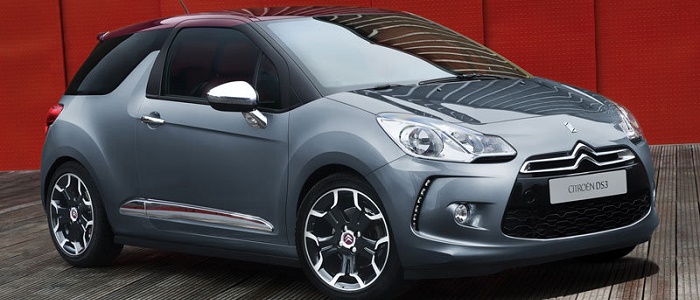
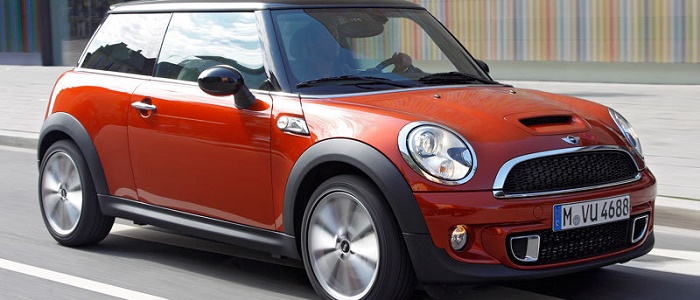

Dimensons & Outlines

Check vehicle history
Engine

Performance (manual gearbox)
Performance (automatic gearbox)
Expenses
Virtual Adviser's™ opinion
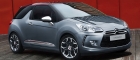
Two significantly similar cars, no doubt about that. Still, each one has something different to offer. For a start, they are not even classified under the same segment, with the Citroen being a city car and the Mini representing micro car vehicle class.
SafetyThe first thing to look into here would be the results from European New Car Assessment Programme (Euro NCAP) tests performed on the two cars. Good thing is that both vehicles got tested, with the same number of safety stars gained in the process. Moving further on, let's take a closer look at some additional safety-related facts. The first vehicle is a city car and that gives it a marginal advantage over the micro car competitor, at least that's what statistics show. Furthermore, if we'd like to consider vehicle mass in this context too, which we definitely should, the French car offers a marginal difference of 1% more metal.
ReliabilityReliability is not the best thing to consider on the make level, but it is worth mentioning that both brands display similar results in faults and breakdowns, all the models observed together. These are the official statistics, while our visitors describe reliability of Citroen with an average rating of 4.0, and models under the Mini badge with 4.1 out of 5. Some independent research have also placed DS3 as average reliability-wise, and Mini is more or less at the same level.That apart, owners of different cars powered by the same engine as these two vehicles rank it on average as 4.6 out of 5.
Performance & Fuel economyMini is undoubtly more agile, reaching 100km/h in 1.3 seconds less than its competitor. In addition to that it accelerates all the way to 186 kilometers per hour, 2km/h more than the other car. When it comes to fuel economy things look pretty much the same for both cars, averaging around 5.6 liters of fuel per 100 kilometers (51 mpg), in combined cycle.
Verdict
Mini appears just a bit more reliable, although the difference is truly marginal. The most important thing when deciding between any two vehicles should always be safety, both passive and active. In my opinion, everything taken into account, the French car offers significantly better overall protection, taking the lead here. From there things take a different direction, with Mini outracing its opponent in any situation possible, making it better choice for boy racers. To make things even better, it consumps less fuel! I believe that, when we take all into account, we have only one winner here - the Mini. Nevertheless, let's not forget that people have different preferences and needs, so what really counts is your personal feel. I'm only here to help. Also, you could use the oportunity to find out which car, everything taken into account, would be the perfect choice for you in the eyes of the virtual adviser™, among thousands of similar, yet so different vehicles.
Follow us
AutoManiac Instagram
AutoManiac Facebook