




















Compare two cars
Compare any two cars and get our Virtual Adviser™ opinion

Dimensons & Outlines


Check vehicle history
Engine

2.0 M274 DE20 AL LP
Performance (manual gearbox)
Performance (automatic gearbox)
Expenses
Virtual Adviser's™ opinion
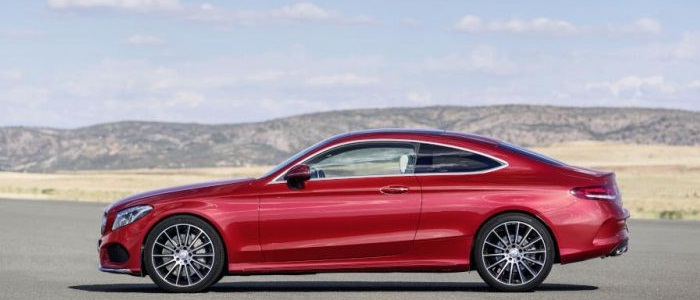
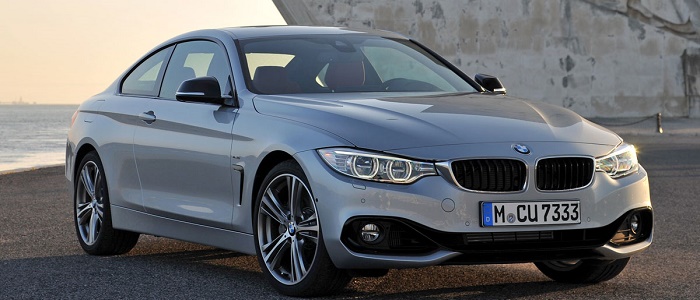
We are here considering two somewhat similar cars, but we can't deny some of the obvious differences. For a start, they are not even classified under the same segment, with the Mercedes Benz being a large family car and the BMW representing sports car vehicle class. The first one has a Mercedes Benz-engineered powertrain under the hood, a 4-cylinder, 16-valves 184hp unit, while the other one gets its power and torque from a 4-cylinder, 16-valves 184hp engine designed by BMW.
SafetyThe fact that the Mercedes Benz got tested by the European New Car Assessment Programme (Euro NCAP), while the other contender didn't, puts it sky-high safety-wise, in my eyes at least. That aside, let's consider some other aspects which affect safety. The first vehicle is a large family car and that gives it a marginal advantage over the sports car competitor, at least that's what statistics show. Furthermore, taking kerb weight as an important factor into account, Mercedes Benz C offers a marginal difference of 2% more metal.
ReliabilityI don't like generalizing things when it comes to reliability, although it does seem that both brands display similar results in faults and breakdowns, all the models observed together. That's the official data, while our visitors describe reliability of Mercedes Benz with an average rating of 4.3, and models under the BMW badge with 4.1 out of 5. Independent research findings rank C as average reliability-wise, and 4 Series Coupe is more or less at the same level.That apart, owners of different cars powered by the same engine as Mercedes Benz C rank it on average as 5.0, while the one under the competitor's bonnet gets 3.5 out of 5.
Performance & Fuel economyBMW is a bit more agile, reaching 100km/h in 0.4 seconds less than its competitor. Still, it lacks the power to win the top speed competition, topping at 236 kilometers per hour, 1km/h less than the other car. When it comes to fuel economy things look pretty much the same for both cars, averaging around 6 liters of fuel per 100 kilometers (47 mpg), in combined cycle.
Verdict
Mercedes Benz appears just a bit more reliable, although the difference is truly marginal. The most important thing when deciding between any two vehicles should always be safety, both passive and active. In my opinion, everything taken into account, Mercedes Benz C beats the other contender by far, making it the best choice without even considering other things. When it comes to performance, both vehicles provide similar experience, so I wouldn't point any of them out. Mercedes Benz C still consumps less fuel, which needs to be taken into consideration. All together, there's not much more to say, in this case I wouldn't even consider anything but Mercedes Benz. Anyway, that's the most objective conclusion I could've came up with and it's based solely on the information found on this website. Aspects such as design, practicality, brand value and driving experience are there for you to measure them out. In case you have two minutes to spare I invite you to define your needs, desires and budget and see which car would be chosen by the virtual adviser™, among thousands of similar, yet so different vehicles.
Follow us
AutoManiac Instagram
AutoManiac Facebook