

Compare two cars
Compare any two cars and get our Virtual Adviser™ opinion


Marketing
Dimensons & Outlines


Engine
2.0 mJet 136

Performance (manual gearbox)
Performance (automatic gearbox)
Expenses
Virtual Adviser's™ opinion
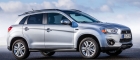
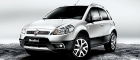
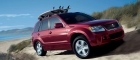
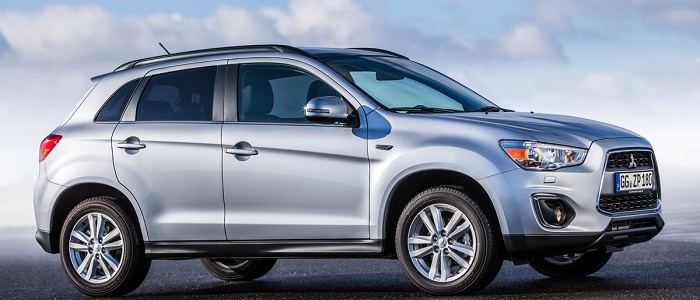
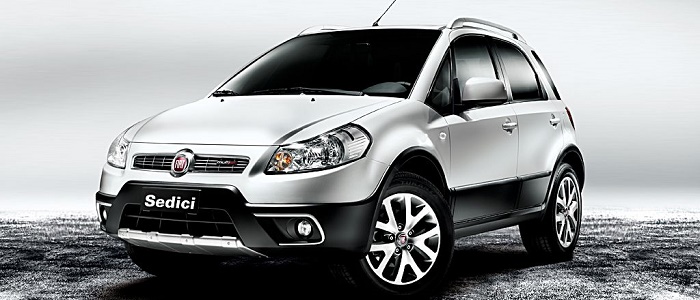
Well, these are two pretty similar cars we have here! It's only details that could potentially make the difference. Considering they both belong to the suv segment and utilize the same 5-door suv body style and the front wheel drive system, it all comes up to the specific diesel engine choice they offer. The first one has a Mitsubishi-engineered powertrain under the hood, a 4-cylinder, 16-valves 116hp unit, while the other one gets its power and torque from a 4-cylinder, 16-valves 136hp engine designed by FIAT.
SafetyBoth vehicles got tested by European New Car Assessment Programme (Euro NCAP), with the Mitsubishi being a slightly better choice apparently. Moving further on, let's take a closer look at some additional safety-related facts. Both vehicles belong to the suv segment, which is generally a very good thing safety-wise, but it doesn't do much to help us decide between the two.
ReliabilityReliability is not the best thing to consider on the make level, but it is worth mentioning that FIAT does have a slight advantage, at least on all of the models level. These are the official statistics, while our visitors describe reliability of Mitsubishi with an average rating of 4.6, and models under the FIAT badge with 4.3 out of 5. The same official information place ASX as average reliability-wise, and Sedici is more or less at the same level.That apart, owners of different cars powered by the same engine as the Japanese car rank it on average as 5.0, while the one under the competitor's bonnet gets 4.5 out of 5.
Performance & Fuel economyThere's not enough data for me to elaborate on the subject, I'm affraid.
Verdict
FIAT appears just a bit more reliable, although the difference is truly marginal. The most important thing when deciding between any two vehicles should always be safety, both passive and active. In my opinion, everything taken into account, the Japanese car offers significantly better overall protection, taking the lead here. When it comes to performance, both vehicles provide similar experience, so I wouldn't point any of them out. Fuel consumption is more or less the same. No mistake, whatever you decide here, but I'd still go for the Mitsubishi. Anyway, that's the most objective conclusion I could've came up with and it's based solely on the information found on this website. Aspects such as design, practicality, brand value and driving experience are there for you to measure them out. In case you have two minutes to spare I invite you to define your needs, desires and budget and see which car would be chosen by the virtual adviser™, among thousands of similar, yet so different vehicles.
Check a car by its VIN number
Follow us
AutoManiac Instagram
AutoManiac Facebook