

Compare two cars
Compare any two cars and get our Virtual Adviser™ opinion



Dimensons & Outlines

Check vehicle history
Engine

MEA Dual 408 / 90kWh
Performance (manual gearbox)
Performance (automatic gearbox)
Expenses
Virtual Adviser's™ opinion
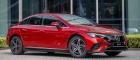
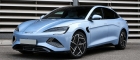
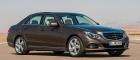
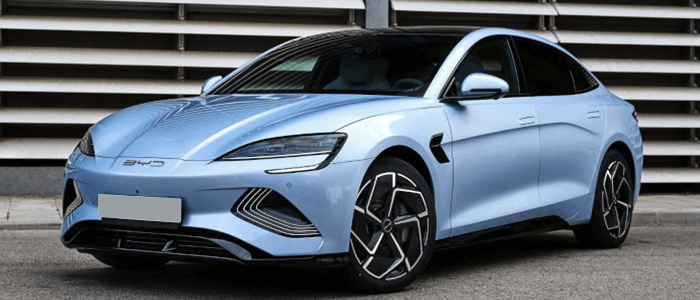
We are here considering two somewhat similar cars, but we can't deny some of the obvious differences. For a start, they are not even classified under the same segment, with the Mercedes Benz being a luxury car and the BYD representing large family car vehicle class. Another thing to take into account here is the wheel drive. The first one makes use of a 4 x 4 wheel drive system, aiming at people who plan to leave their safety zone and challenge the surfface, both in the terms of reduced grip and offroading, whereas the second one transfers the power and torque to the rear axel only, making it perfect for those who are enthusiastic about driving, and don't hesitate to push their car to the limit, even if that requires some additional effort in snow or ice.
SafetyBoth vehicles got tested by European New Car Assessment Programme (Euro NCAP), with the same number of safety stars gained in the process. Moving further on, let's take a closer look at some additional safety-related facts. The first vehicle is a luxury car and that gives it a marginal advantage over the large family car competitor, at least that's what statistics show. Furthermore, when it comes to weight, a factor that most people underestimate, the German car offers a considerable difference of 19% more metal.
ReliabilityReliability is not the best thing to consider on the make level, but it is worth mentioning that BYD is significantly less fault-prone, all the models observed together. That's the official data, while our visitors describe reliability of Mercedes Benz with an average rating of 4.3, and models under the BYD badge with out of 5. Unfortunatelly, I don't have enough insight that would allow me to comment in more details on the specific models level. That apart, owners of different cars powered by the same engine as the German car rank it on average as 3.0 out of 5, exactly the same as the other one.
Performance & Fuel economyMercedes Benz is undoubtly more agile, reaching 100km/h in 1.2 seconds less than its competitor. Still, it lacks the power to win the top speed competition, topping at 210 kilometers per hour, 30km/h less than the other car. When it comes to fuel economy things look pretty much the same for both cars, especially if you take into account all the free charging points provided by the manufacturer and/or the local government's environmental programs. One of the essential things to consider when it comes to this type of vehicles would be range, giving a significant advantage to the Chinese car with its additional 65 kilometers on a single charge.
Verdict
Mercedes Benz appears just a bit more reliable, although the difference is truly marginal. The most important thing when deciding between any two vehicles should always be safety, both passive and active. In my opinion, everything taken into account, the German car offers much better overall protection, which launches it ahead of the other contender. From there things take a different direction, with BYD offering somewhat better performance, just enough to call it quicker. The Chinese car provides significantly better range, something that shouldn't be overlooked. No mistake, whatever you decide here, but I'd still go for the BYD. In any case that's my personal view, built upon all the data available to me. What should decide here though is the way you feel about the two vehicles, and I hope you'll find my guidelines useful in the process. In case you have two minutes to spare I invite you to define your needs, desires and budget and see which car would be chosen by the virtual adviser™, out of 12.000+ vehicles we currently have in our database.
Follow us
AutoManiac Instagram
AutoManiac Facebook