



















Compare two cars
Compare any two cars and get our Virtual Adviser™ opinion


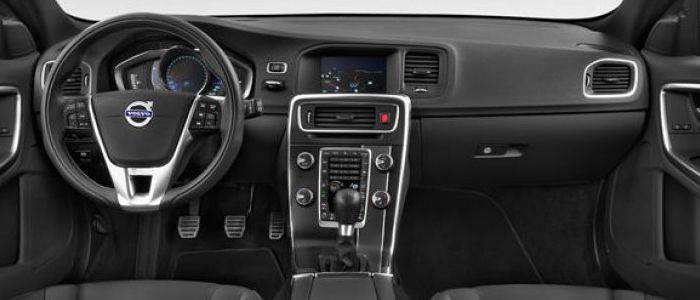
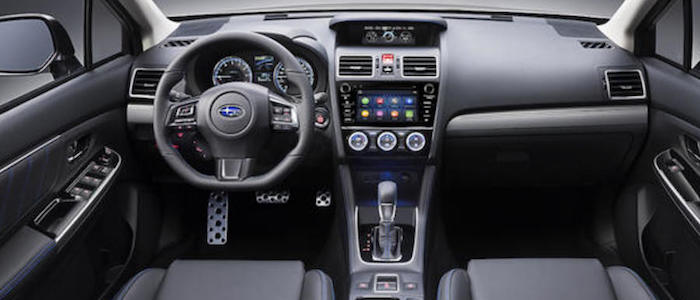
Dimensons & Outlines


Check vehicle history
Engine
Performance (manual gearbox)
Performance (automatic gearbox)
Expenses
Virtual Adviser's™ opinion
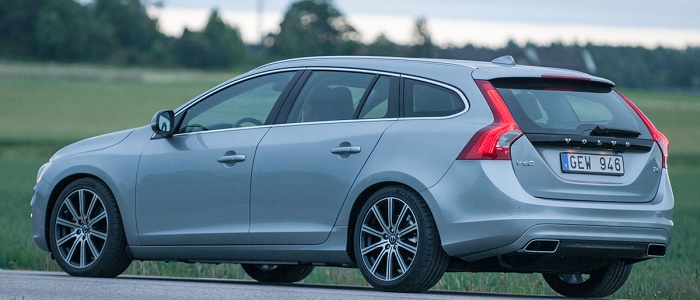
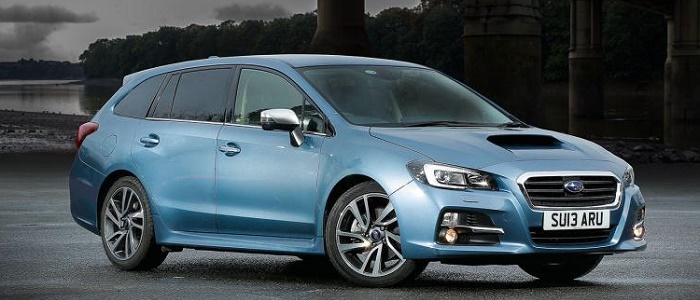
We are here considering two somewhat similar cars, but we can't deny some of the obvious differences. For a start, they are not even classified under the same segment, with the Volvo being a large family car and the Subaru representing small family car vehicle class. Another thing to take into account here is the wheel drive. The first one makes use of a front wheel drive system, aiming at people who use their car mostly to get from A to B, remaining in control during the slipery conditions, whereas the second one transfers the power and torque to both the axels, making it perfect for those who plan to leave their safety zone and challenge the surfface, both in the terms of reduced grip and offroading.
SafetyA starting point here would be to take a look at the results from European New Car Assessment Programme (Euro NCAP) tests which were performed on both of the cars, with the same number of safety stars gained in the process. Moving further on, let's take a closer look at some additional safety-related facts. The first vehicle is a large family car and that gives it a marginal advantage over the small family car competitor, at least that's what statistics show. On the other hand, if we'd like to consider vehicle mass in this context too, which we definitely should, the Japanese car offers a marginal difference of 5% more metal.
ReliabilityManufacturers have been building their reliability reputation for decades now and, generally speaking, it appears that both brands display similar results in faults and breakdowns, all the models observed together. That's the official data, while our visitors describe reliability of Volvo with an average rating of 3.2, and models under the Subaru badge with 4.2 out of 5. Some independent research have also placed V60 as average reliability-wise, and Levorg is more or less at the same level.That apart, owners of different cars powered by the same engine as the Swedish car rank it on average as 4.0, while the one under the competitor's bonnet gets 5.0 out of 5.
Performance & Fuel economyVolvo is a bit more agile, reaching 100km/h in 0.2 seconds less than its competitor. Still, it lacks the power to win the top speed competition, topping at 205 kilometers per hour, 5km/h less than the other car. When it comes to fuel economy the winner has to be the Swedish car, averaging around 5.8 liters of fuel per 100 kilometers (49 mpg), in combined cycle. We can't ignore that 22% difference compared to the Japanese car.
Verdict
Subaru is apparently more reliable, not too much, but just enough. The most important thing when deciding between any two vehicles should always be safety, both passive and active. In this case though, it seems that both cars show similar levels of passenger protection all together, so that won't break a tie. When it comes to performance, both vehicles provide similar experience, so I wouldn't point any of them out. the Swedish car , on the other hand, consumps significantly less fuel, and that's a big plus. No mistake, whatever you decide here, but I'd still go for the Volvo. Anyway, that's the most objective conclusion I could've came up with and it's based solely on the information found on this website. Aspects such as design, practicality, brand value and driving experience are there for you to measure them out. In case you have two minutes to spare I invite you to define your needs, desires and budget and see which car would be chosen by the virtual adviser™, out of 12.000+ vehicles we currently have in our database.
Follow us
AutoManiac Instagram
AutoManiac Facebook